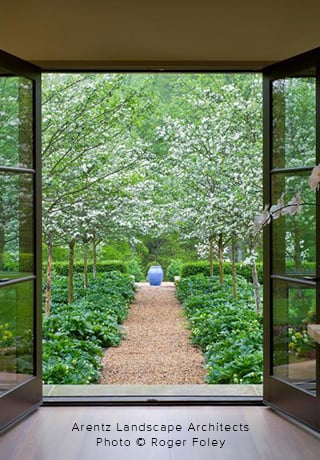
10 Garden Décor Ideas Beyond the Ordinary
From statement planters to outdoor art, discover unique ways to decorate your garden.Garden décor can shape an outdoor space just as thoughtfully as interior design. A few well-placed pieces can complement your plants, create inviting focal points, and make the space feel more inviting and complete.
Whether you garden on a small balcony, in a compact backyard, or across a sprawling landscape, these 10 ideas offer fresh ways to decorate your garden with artistry and purpose. You’ll also find tips on where to find unique garden decorations, how to secure outdoor pieces, and how to display art so your garden feels cohesive, expressive, and uniquely yours.
1. Garden Sculptures

See more of his eclectic Washington garden. Photo by: Mike Osterling.
Sculptures in stone, metal, ceramic, or other weather-resistant materials introduce a strong visual presence to the garden. Like indoor art, they work best when treated as focal points, placed where sightlines naturally converge, and framed by plants that complement rather than obscure them (see 7 Tips for Sculpture in the Garden). Styles range from contemporary and minimalist to rustic and whimsical. The key is choosing pieces that feel at home with your garden’s overall character.
Where to buy: Local artists, craft fairs, and specialty garden shops are good sources for unique, outdoor-safe pieces.
2. Architectural Elements

See more of this Zen front garden. Photo by: Michael Farndale.
Arbors, pergolas, obelisks, arches, and privacy screens add structure and vertical definition, giving the garden presence even when plants are dormant. A steel obelisk can bring height and winter interest to a perennial border, while a wood or metal arch can mark the transition between garden rooms. Use an arbor to frame an entry or path, position a trellis behind a bench to create a backdrop, or place a freestanding screen to block unwanted views while supporting flowering vines.
How to secure: Stability is essential. Set posts in concrete for arbors, pergolas, and arches to prevent shifting. For lighter structures like obelisks and trellises, use heavy-duty ground spikes or anchor plates and inspect connections periodically.
“Art can do something that plants alone cannot. It creates a there there.”
—Jill Nooney, Placing Art in the Garden
3. Mirrors and Reflective Accents

A rustic mirror reflects light into this shady space. Designer: Philip Thornburg, Winterbloom. Photo by: Janet Loughrey. Get more shade garden ideas.
Outdoor mirrors can make enclosed courtyards, narrow side yards, and small patios feel brighter and more spacious. Choose a weather-rated mirror with a sturdy frame and position it to reflect an attractive planting, the sky, or a focal point. Smaller reflective pieces such as metallic ornaments, stained-glass wind chimes, or gazing balls offer subtler ways to catch shifting light.
How to display: Use reflection intentionally. One mirror at the end of a narrow path can suggest depth, while a round mirror above a planter box or bench can become a striking focal point. Mount mirrors securely using rustproof hardware and angle them to enhance the view rather than create glare.
4. Mosaics and Ceramic Art

A customized clay tile mosaic by artist Clare Dohna. Designer: Laura Crockett. Gardeners: Craig Quirk and Larry Neill. Photo by: Janet Loughrey.
Get more backyard ideas.
Mosaics bring color, texture, and handcrafted character to a garden. A tiled tabletop, mosaic stepping stones, decorative ceramic globes, or a custom panel mounted on a fence add personality in ways mass-produced décor rarely can. For an informal, personal look, use materials such as broken dishes, tile remnants, sea glass, and pottery fragments.
How to display: Keep the palette edited, echoing colors already present in your flowers, outdoor cushions, or containers. A few coordinated pieces create a more artful, cohesive effect than a mix of unrelated hues and styles.
5. Statement Lighting

See more of this Portland rooftop garden. Photo by: Josh Partee Architectural Photographer.
Lighting is one of the most transformative elements in garden décor. Lanterns, path lights, and carefully placed uplights can extend the use of outdoor spaces after dark while highlighting trees, walls, sculptures, and other architectural features. To make lighting work both functionally and ornamentally, choose sculptural fixtures that look appealing in daylight as well as at night.
How to display: Layer lighting from several sources — subtle uplighting on specimen trees, low path lighting for safety, lanterns on tables, and string lights over a courtyard or seating area. Use warm-toned bulbs to avoid glare and create a soft, welcoming glow.
6. Natural Materials

A rustic bench carved from a dead tree. Photo by: Kopol Bonick Studio. See more of this Napa garden.
Boulders, driftwood, reclaimed timbers, and natural stone bring organic texture and timeless character to a garden. These materials blend seamlessly with plantings and suit styles ranging from modern minimalism to woodland gardens. A single well-placed boulder or dramatic piece of driftwood can serve as a natural focal point, while stacked stone sculptures bring a calm, zen-like feel to pathways, gravel gardens, and planting beds.
Where to buy: Stone yards, specialty landscape suppliers, and architectural salvage shops.
7. Containers as Art

A beautiful antique container placed within the garden bed and [lanted with agave. Photo by: Rebecca Sweet.
Plants may be the heart of a garden, but their containers also play important roles by adding vibrancy, contrast, and even a sense of whimsy. Your options are virtually unlimited, ranging from oversized terra-cotta pots and glazed ceramic vessels to cast-stone urns and weathered wood boxes. The key is to match their scale to the setting: a tall, narrow planter can add vertical interest to a small balcony, while a broad, low bowl placed toward the front of a mixed border creates a layered effect without blocking the view of plants behind it.
How to display: Use fewer, larger containers rather than scattering many small pots. A pair of matching containers can frame an entryway, gate, or bench, while one substantial vessel can anchor a courtyard or patio. Repeating a container material or color across the garden helps disparate areas feel visually connected.
“Not every container needs to be planted! Choosing a special, decorated, or unconventional container and opting not to fill it with plants allows its distinct design to shine as a standout feature.”
—Rebecca Sweet, Make Your Garden Containers Work for You
8. Outdoor Wall Art

Photo by: aurélie sgnl / Unsplash.
An unadorned exterior wall, fence, or privacy screen is an ideal canvas for large-scale outdoor art. Weather-resistant metal panels, ceramic tile mosaics, botanical murals, relief sculptures, and curated collections of handmade objects can transform an otherwise plain backdrop into a destination. Wall art works especially well near seating areas, where it can be appreciated at close range. For a living alternative, install a vertical planter filled with succulents, ferns, or trailing annuals.
Where to buy: Artisan galleries, regional art fairs, architectural salvage yards, and specialty garden shops. Metal fabricators and ceramic studios are also excellent sources for one-of-a-kind outdoor wall panels and sculptures.
9. Salvaged and Upcycled Items

Photo by: Allison Ronney.
Found objects and architectural salvage bring instant character and history to a garden. Old stone corbels, reclaimed brick, vintage ironwork, weathered beams, antique gates, and industrial metal pieces can all become distinctive garden elements. Their imperfections — patina, rust, and wear — are part of their appeal and help them blend naturally into the landscape. Even everyday items such as old wheelbarrows, copper tea kettles, or bicycles can be repurposed into charming plant displays.
How to display: Use salvaged pieces as standalone sculptures, integrate them into planting beds, or repurpose them functionally — an old iron grate becomes a trellis, a reclaimed beam becomes a bench, a vintage gate becomes a focal point at the end of a path. If you have lots of containers to showcase, a simple ladder can be turned into an eye-catching plant stand.
“I enjoy searching for salvaged items to add a vintage touch. I don’t always know where I’m going to put something when I buy it, but I eventually find just the right spot.”
—Allison Ronney, Suburban Sanctuary: A Garden for Food and Wildlife
10. Artistic Birdbaths

Photo by: Ashley Levinson / Unsplash.
Birdbaths can do double duty as sculptural focal points while supporting a bird-friendly garden. Instead of a standard pedestal style, look for pieces crafted from stone, ceramic, metal, or concrete with distinctive shapes or textures. Basins with interesting silhouettes, rippled edges, asymmetrical forms, or hand-glazed finishes read as garden art even when birds aren’t visiting. In modern landscapes, a low, wide basin set into gravel introduces a quiet sculptural presence; in cottage gardens, a hand-painted ceramic bowl can add color and charm.
Placement tips: Position birdbaths where they can be seen from a window or seating area. Birds prefer locations with nearby perches, so placing the bath near shrubs, tall grasses, or small trees makes it more inviting for wildlife. A spot in partial shade can help keep the water cooler and may slow algae growth.
Thursday, October 8th @ 6 PM ET / 3 PM PT
A Walk Through Chanticleer: Inspiration, Creativity & the Art of Seeing a Garden with Dan Benarcik
ABOUT THE AUTHOR
Anne Balogh is a longtime gardening writer and editor for Garden Design, with over 20 years of experience covering everything from container planting to landscape trends. She draws inspiration from her own Zone 5 garden in Illinois, where she experiments with hardy perennials and flowering annuals.