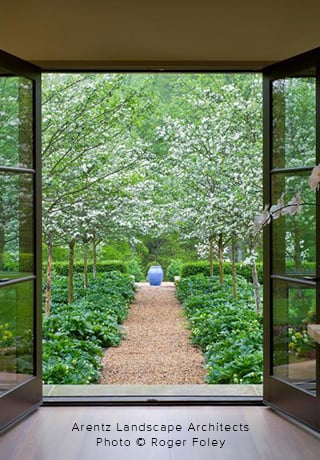
24 Flower & Garden Bed Ideas for Year-Round Color & Texture
Create inspiring landscape beds to beautify your yard in all seasonsFlower and garden beds are the backbone of any landscape, adding living color throughout the yard. Whether you want to liven up a backyard or add curb appeal to your front yard, flower beds can enhance any outdoor space.
There are no hard and fast rules for flower bed landscaping, as each situation is unique. When adding landscape beds to your yard, consider the style of your home, budget, and personal taste. Also think about how much time you have to spend on maintenance. Include plants in different sizes, textures and colors for greater visual appeal.
FLOWER AND GARDEN BED DESIGN IDEAS AND INSPIRATION
There are many ways that flower and garden beds can be designed and used. Here are some ideas:
1. Go Vertical
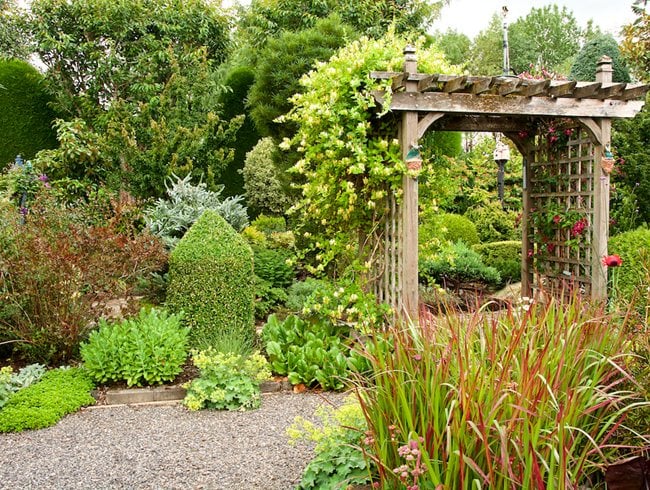
Al and Linda Bailey garden. Photo by: Janet Loughrey.
Where space is at a premium, or where more height is needed, growing plants vertically is a great way to maximize the use of a garden bed. Trellises, arbors and pergolas can be used to grow plants vertically in a courtyard, narrow side yard, or at the back of a mixed border. Choose supports that match the style of your home and garden. Find more vertical garden ideas.
2. Brighten a Shady Space

Gail Barnard garden. Photo by: Janet Loughrey.
Gardening in shade can be a challenge, but by choosing the right plants, a dark area of the yard can be transformed into a stunning oasis. Use reliable shade-tolerant perennials with foliage interest for multi-seasonal color such as hosta, coral bells, ferns and lungwort. Accentuate with shade-tolerant trees and shrubs such as Japanese maple, dogwood, hydrangea, and azalea for structure and long-lasting color.
3. Add Cottage-Style Appeal

Photo by: Bonnie Kuchler and David Nadalin, Nadalin Photography.
For an informal landscape, cottage-style garden beds add charm and timeless appeal. Place a cottage garden bed in an area that receives full sun. Quintessential cottage garden flowers include roses, hollyhock, foxglove, phlox and delphinium. Place taller flowers at the back of a garden bed and stake so they don't fall over in the wind and rain. Find more cottage garden design ideas.
4. Plant a Mixed Border

Leslie Ebert garden. Photo by: Janet Loughrey.
Add a garden bed to a sunny side yard or backyard for stunning visual impact. Include a variety of trees, shrubs, perennials and ground covers in different sizes, shapes and colors. Select varieties with foliage interest and different bloom times for continuous color. Plant in a layered tapestry, with taller trees in back, medium-sized shrubs and perennials in the middle, and mounding perennials and ground covers in the front. Add annuals in gaps for quick color.
Featured garden: A Connecticut gardener describes her personal journey in creating a mixed border along the front of her property.
Expert tip: Rebecca Sweet suggests placing containers out in your garden beds to add height and create a focal point among the plants.
5. Plant an Annual Garden Bed

Photo by: Jan Johnson.
For long-lasting color from late spring until frost, plant a garden bed with your favorite annual flowers. Choose complementary colors for a pop of contrast. Popular annuals for sunny beds include angelonia, marigold, million bells, petunia, sunflower, verbena, and zinnia. For shady flower beds, choose begonia, coleus, impatiens, and wishbone flower.
Expert tip: Jan Johnson shares her design tips for creating an enticing garden.
6. Add Raised Beds

Photo by: Kevin Lee Jacobs.
Raised garden beds are a great solution where the soil is poor or space is at a premium. Beds can be made of a wide range of materials including wood, stones, bricks or metal. Place raised beds in an area that receives full sun to light shade. Make beds no wider than 3 to 4 feet wide and allow enough space in between beds for easy access.
Expert tip: Kevin Lee Jacobs shares tips on how to create a raised bed garden.
7. Garden on a Slope

Designer: Philip Thornburg, Winterbloom. Photo by: Janet Loughrey.
Placing garden beds along a slope helps to stem erosion while adding color to a difficult site. For steeper slopes, build a series of terraced beds and include your favorite plants. Choose plants with more extensive root systems such as dogwood, forsythia, Japanese spurge and juniper to help stabilize the soil. Find more hillside garden ideas.
8. Plant a White Garden

Photo by: Proven Winners.
White flowers conjure up romance and classic elegance. A garden bed with white flowering plants can brighten up darker areas and illuminate the yard at night. Include mock orange, gardenia, jasmine, lilac, lilies and sweet alyssum that will perfume the garden with sweet fragrance. Include a seating area to enjoy the moon, stars and reflected blooms on a warm summer evening. Find out how to create a moon garden.
9. Plant an Herb Garden

Photo by: Kevin Lee Jacobs.
Plant a sunny garden bed with your favorite herbs such as lavender, basil, oregano and thyme to have fresh ingredients on hand for meals. Most herbs are drought-tolerant and low-maintenance, with a delightful fragrance, and flowers that support a range of pollinators. Get more herb garden ideas.
10. Create a Cut Flower Garden Bed

Photo by: goodmoments/Shutterstock.
Plant a sunny garden bed with cutting garden plants for fresh floral arrangements. Include plants with sturdy stems and a long bloom time such as dahlias, zinnia, cosmos and Shasta daisy. For early season cutting flowers, grow daffodils, tulips and lilac. Find more on how to make a cutting garden.
11. Plant a Waterwise Curbside Strip

Jenn Ferrante garden. Photo by: Janet Loughrey.
For carefree color in a difficult site such as a curbside strip, add a garden bed and choose plants that are tolerant of different soils, drought tolerant and low maintenance. Some of the best easy-care plants include catmint, echinacea, ornamental grasses, salvia, sedum, and yarrow. Discover more drought-tolerant plants.
12. Add a Rain Garden Bed

Photo by: Rob Cardillo.
If you have a low spot in the yard where water collects, create a rain garden bed using water tolerant plants such as aster, button bush, iris, Joe pye weed, milkweed, and rose mallow. Integrate other plants around the edges that require less water, such as canna lilies and phox. Embellish with river rocks to simulate a flowing stream. Find more on designing a rain garden.
13. Plant for Pollinators
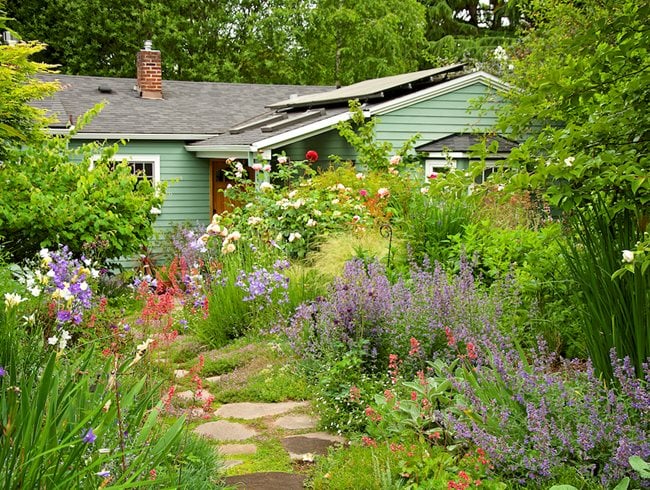
Jay Withgott and Susan Masta garden. Photo by: Janet Loughrey.
Attract beneficial bees, butterflies, moths and other insect pollinators to your yard by planting a garden bed with pollinator-friendly plants. Some of the best pollinating plants include bee balm, asters, butterfly bush, coneflower and milkweed. Include a diversity of plants that bloom from spring to fall to support a diversity of wildlife. Find more pollinating plants.
14. Dress Up a Sidewalk
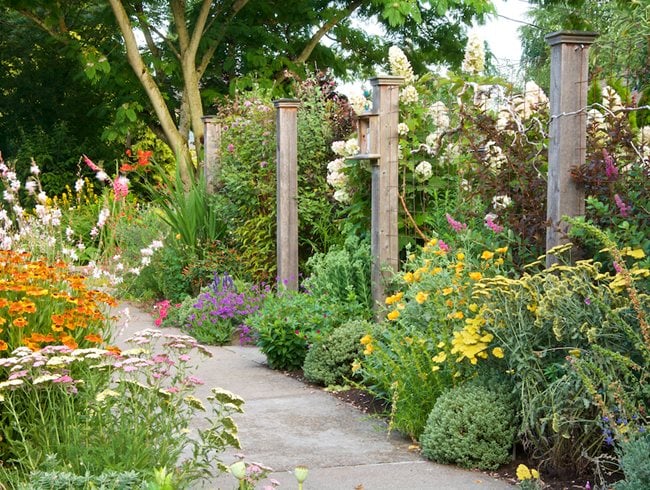
Designer: Marina Wynton, Olivine Land. Photo by: Janet Loughrey.
Create a dazzling first impression by adding garden beds along a sunny sidewalk. Choose tough plants such as hardy geranium, gaura, helenium, potentilla, sedum, verbena and yarrow that will stand up to foot traffic from people passing by.
Featured garden: Get inspired by this sidewalk garden in Chicago.
15. Create a Tropical Oasis

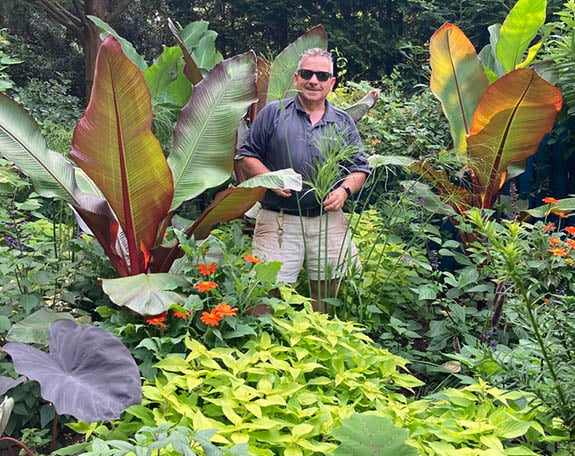
Peter Eastman and Dayrol Griffin garden. Photo by: Janet Loughrey.
Warm-season tropicals add an exotic feel to the landscape, with vivid long-lasting color throughout warmer months. Plant a garden bed with banana, canna, coleus, dahlia, elephant ear, hibiscus, and kniphofia for a captivating display. See more tropical garden ideas.
16. Plant for Spring Color

Photo by: Rebecca Sweet.
Add a spring border featuring early season perennials, with spring blooming bulbs interspersed in between. Include daffodils and tulips with early, mid and late bloom times to extend color. Plant in drifts for greater visual impact. Create color echoes between foliage and flowers for repetition and unity.
Expert tip: Rebecca Sweet of Harmony in the Garden shares her tips on creating gorgeous spring bulb garden.
17. Create a Wildflower Garden

Photo by: Janet Loughrey.
For an informal look and quick low-maintenance color, sow a wildflower seed mix in a flower bed. Wildflowers support a range of insect pollinators and other wildlife. Mixes can include annual or perennial flowers, with many reseeding from year to year. Find more meadow garden ideas.
18. Add an Edible Garden

Susan Fries garden. Photo by: Janet Loughrey.
Choose a site with at least 6 hours of sunlight and rich, well-drained soil. Plant garden beds with your favorite edible plants such as tomatoes, cucumbers, carrots and lettuce. Include ornamental flowers such as marigold and nasturtium for color, and to protect edible plants from pests. Sow seeds of different colored lettuce varieties around the edges for additional visual appeal.
19. Add a Perennial Border

Nancy Cutler garden. Photo by: Janet Loughrey.
Perennials are a mainstay of garden and flower beds, providing color from year to year. Choose plants that are hardy and perform well in your area, focusing on low-maintenance perennials for easy upkeep. Select a variety of perennials in different sizes, forms and colors. Include a variety of plants that flower from spring into fall for continuous color. Layer with taller plants at the back and low ground covers in front.
20. Go Native

Photo by: Ami Dushkowich.
Plant a garden bed with native flowers for a low-maintenance solution that benefits pollinators and wildlife. Choose varieties that are native to your particular region to support local wildlife and help restore the natural balance and ecosystem in your yard. Leave cleanup of your native beds until spring to avoid disturbing beneficial insects that overwinter in the soil and in plant stems. Find more on native gardening.
Featured garden: See how a beginner gardener created lush native habitat on her 12-acre horse farm.
21. Winter Gardening

Photo by: Rebecca Sweet.
To brighten up the yard in winter when most plants are dormant, create a garden bed with plants that have winter interest. Choose a mix of trees, shrubs, perennials and early blooming bulbs for continuous color all winter. Some of the best plants for winter interest include redtwig dogwood, witch hazel, hellebores and snowdrops.
Expert tip: Rebecca Sweet shares tips on creating winter interest in the garden.
22. Design with Foliage

Photo by: Rebecca Sweet.
A garden bed can be stunning even when not in bloom. Using plants with foliage interest adds color, structure, and texture for multi-seasonal appeal. Combine plants with contrasting features and repeat throughout the garden bed for unity.
Expert tip: Rebecca Sweet shares tips on designing with foliage.
23. Go Natural

Reader submitted garden.
Boulders and rocks can be used as the foundation for new garden beds. Boulders provide structure, while rocks can be used to outline beds, or for terracing. To retain a natural look, use curved shapes for beds, keep the design informal, and include native plants.
Featured garden: A Connecticut gardener replaces her lawn with a stunning boulder garden.
24. Create a Wellness Garden

Reader submitted garden.
Avoid using chemical pesticides and fertilizers that can cause harm to the environment and your health by creating garden beds using organic methods. Improve soil with rich organic matter and use natural pest controls. Attract beneficial insects and organisms that will keep plants healthy by creating a hospitable environment for them to thrive. A toxic-free garden also improves mental well-being.
Featured garden: A Washington gardener shares her health journey with creating a toxic-free garden that attracts beneficial insects and wildlife.
Thursday, October 8th @ 6 PM ET / 3 PM PT
A Walk Through Chanticleer: Inspiration, Creativity & the Art of Seeing a Garden with Dan Benarcik
HOW TO MAKE A FLOWER BED
There are many different types of landscape beds. These can include a foundation planting, mixed border, raised bed, island bed in a lawn, shady bed, sunny border, or a bed along a patio, deck or fence. Follow these steps to create a new flower or garden bed:
Choose a site:
Find an area in your yard where plants will thrive. Most plants prefer full sun to partial shade and well-drained, amended soil. Consider proximity to your home or other elements such as a patio or fence, and allow enough growing space for mature plants.
Make a plan:
When planning a garden bed layout, decide what size and shape to make the bed. Consider style and personal tastes, and choose a basic color scheme that complements your home’s exterior. For a more formal flower bed design, make garden beds in rectangular or square shapes, while curved or kidney-shaped beds are more suited to an informal garden design. Use a piece of string or hose to determine the outline of the bed and move it around until you get the shape and size you want.
Prepare planting area:
Loosen the soil in the planting area 8 to 12 inches deep and amend with compost or other organic matter. Make sure soil is well draining. Mix in a slow-release all-purpose fertilizer to provide a source of nutrition throughout the growing season.
Plant selection:
Decide what kind of garden bed you want, such as a mixed border, perennial garden, or annual bed. Make a list of your favorite plants. Include natives and drought-tolerant plants that will thrive and are hardy in your region. Use plants with a range of textures, shapes and colors for visual interest. Include varieties with colorful foliage, flowers, and different bloom times for continuous color. Make a list of plants to include.
Planting:
Wait until all danger of frost is past in your area to plant garden beds. Cold-tolerant perennials can be planted earlier than warm season annuals. Place potted plants in the bed before planting, and move them around until you get the desired look. For each plant, dig a hole slightly wider and deeper than the root ball. Remove the plant from its nursery pot and gently tease out roots if potbound. Place the plant in the hole, fill in dirt and tamp down gently to remove air pockets. Water well, and keep plants regularly watered until established.

DID YOU KNOW?
Great Dixter, one of England's most renowned gardens, has influenced garden bed style for generations.
GARDEN & FLOWER BED MAINTENANCE TIPS
Mulch:
Add a layer of compost or other mulch to beds in spring to suppress weeds, retain moisture, and insulate the root zone.
Weed:
Keep beds free of weeds for a neater appearance and to prevent weeds from resowing.
Prune:
Prune plants according to individual needs to retain their shape and size. Remove dead or damaged growth as needed. Deadhead spent flowers to extend bloom time.
Water:
Group flower garden plants together with similar watering needs. Irrigate when the top 1 to 2 inch layer of the soil is dry. Water more often during prolonged heat and dry spells. Drought tolerant plants will need less water.
Fertilize:
Many plants will benefit from regular fertilizing with increased vigor and flower production. In early spring, apply an all-purpose time release fertilizer that will feed plants throughout the growing season. Many trees, shrubs, natives and succulents prefer little or no fertilizer. Annuals will benefit from regular feeding throughout warmer summer months.
FAQ'S
What is the best way to layout a flower bed?
When creating a flower border design, choose a style, shape and color scheme for your flower bed that complements your home's exterior and personal taste. Layer plants, with taller varieties at the back, medium sized plants in the middle, and low growing plants in front.
What is the 70/30 rule in gardening?
Conceived by renowned landscape designer Piet Oudolf, this gardening method helps establish the foundation for a successful garden bed. Seventy percent of plants are selected for reliability, structure, texture, and color throughout the growing season, while 30 percent are devoted to experimentation and exploring new planting ideas. This helps to keep the design fresh from year to year.
What is the rule of 3 in landscaping?
This rule uses the principle that planting odd numbers of 3 or more plants together looks more naturalistic than even numbered combinations, which are more symmetrical. Odd numbered plantings in groups of 3 or more have greater visual impact, resulting in a more pleasing look.
How to redo a flower bed?
Renovating a flower bed can revitalize existing garden plantings and provide a fresh look by adding new varieties. Assess the condition of plants and remove unhealthy or unwanted specimens. Dig out and divide perennials. Remove weeds and debris from soil and amend with compost or other rich organic matter. Plant new and divided plants, leaving enough space for their mature size. Top dress the soil with bark mulch to suppress weeds and retain moisture.
How to make a low maintenance flower bed?
To reduce maintenance for flower and garden beds, provide an environment where plants can thrive. Make sure there is adequate light, soil and water. Choose drought-tolerant plants, natives that are adapted to local growing conditions, and varieties that need little or no pruning and fertilizing. Mulch beds to suppress weeds and retain moisture.
How to make a garden bed look nice?
Keep the design of garden beds simple for an uncluttered appearance. Add garden bed edging using bricks or stones for a crisp, clean look. Top dress beds with an attractive mulch such as shredded bark to reduce weeds. Prune and shape plants as needed, and deadhead spent flowers.
What's the difference between a garden bed and a garden border?
The two terms are often used interchangeably, but there is a difference. A garden bed can be viewed from all sides, such as an island bed, while a garden border is viewed from the front with a backdrop of a fence, hedge, home or other structure.
ABOUT THE AUTHOR
Janet Loughrey is a veteran garden writer and photographer with over 25 years of experience, contributing to major publications like Garden Design, Better Homes and Gardens, and Sunset. A former Master Gardener, she brings hands-on expertise from gardening in a wide range of climates, from upstate New York to the Pacific Northwest.
RELATED:
Foundation Planting
How & When to Mulch