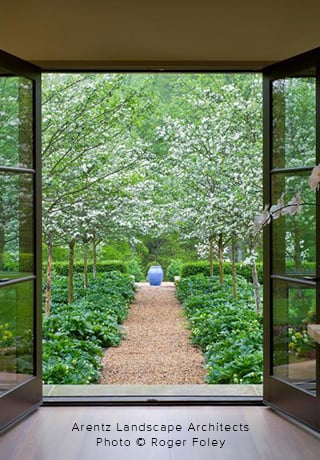
HOW TO LANDSCAPE WITH TEXTURE
Add depth and visual interest to your landscape by using garden textureTexture plays a visual and tactile role in nature, enhancing our understanding and experience of the world around us. Whether it's the gentle ripples of a tumbling brook or the craggy surface of an imposing mountainside, the many-faceted textures found in nature create a heightened appreciation and multi-sensory experience.
While color, shape, and form are core components of garden design, landscape texture is an often overlooked element. The contrast between textures such as fuzzy lamb's ear foliage, the smooth surface of river rock, and coarse gravel of a meandering path helps to shape the character and appearance of a garden. Landscaping texture is just one of many considerations when choosing plants, hardscape materials and other garden features.
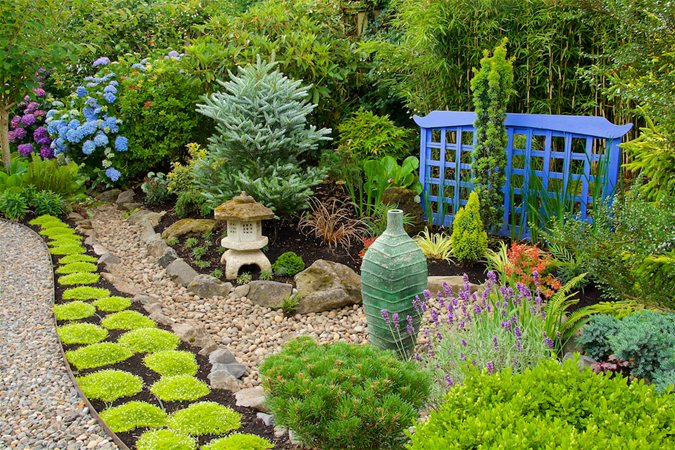
Elements of hardscape, plants, structures and statuary provide a wide array of textures in this captivating scene. Designer: Helena Wagner, 4 Season Gardens. Photo by: Janet Loughrey.
WHAT IS TEXTURE IN THE LANDSCAPE?
Texture refers to the surface characteristics and appearance of an object. A garden object such as a leaf, bark or rock can have a smooth, fuzzy, or rough texture that can be seen and felt. Texture is three dimensional, with the surface creating light and shadow, lending visual depth and contrast.
A wide array of textures occur in the landscape, whether it's a soft flower petal, airy seed head, or rough boulder. Without texture, a garden may have a flat, lifeless appearance. Texture enhances other design components, helping to draw the eye, establish a mood, and create harmony and balance.
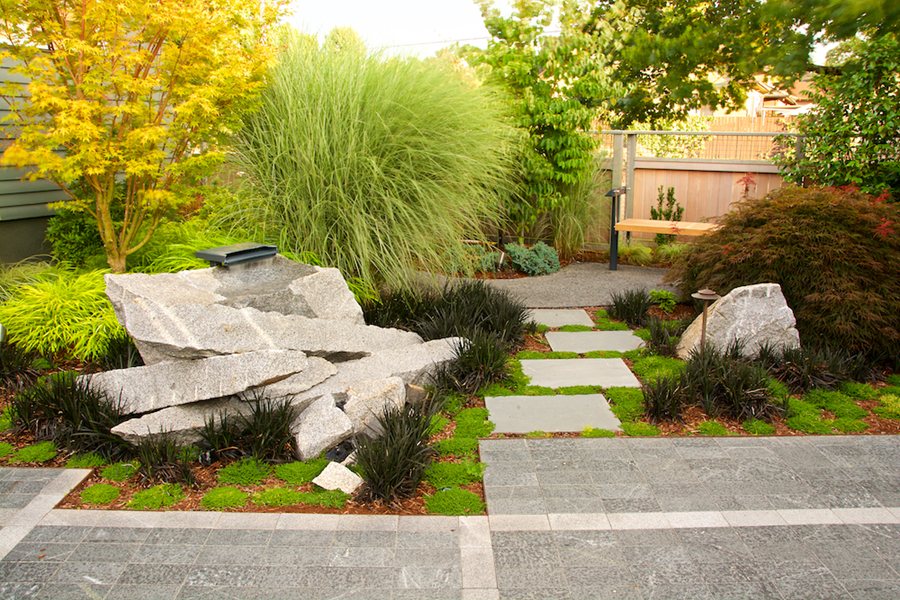
A variety of ornamental grasses, shrubs and small trees provide contrasting textures, colors, sizes and shapes, while different hardscape elements combine in this compelling garden vignette. Designers: David Best and Barbara Hilty. Photo by: Janet Loughrey.
TYPES OF LANDSCAPE TEXTURE
Visual texture in the landscape can come from hardscape elements such as gravel, brick, stone, rock, wood, mulch, water, statuary, and structures. Living plants including trees, shrubs, perennials, annuals, vines and ground covers offer a wide range of planting texture. The three basic types of texture in the garden include:
Coarse Texture
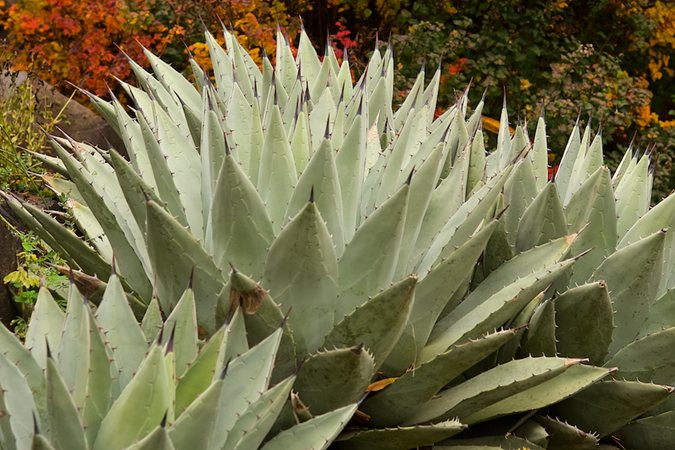
Bold, spiky agave is a classic example of coarse texture in the garden. Photo by: Janet Loughrey.
Landscape features with coarse texture can include plants with bold leaves, flowers or bark; large rocks, boulders, and pavers. These textures can be rough, hard, spiky, sharp, bumpy, or bold. Coarse textured features command attention and elicit excitement, and can serve as focal points. Boldly textured plants include elephant ear, hosta, canna lily, sedum, sunflower, and hibiscus.
See also: How to use boldly textured plants
Fine Texture
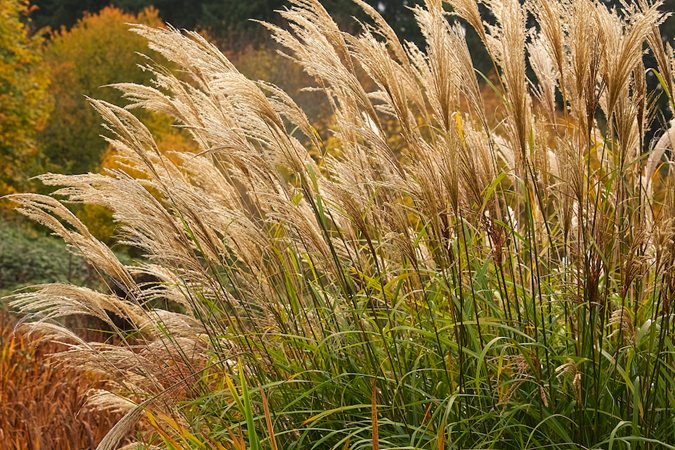
Tall ornamental grasses with feathery plumes exemplify fine texture, especially striking in autumn light. Photo by: Janet Loughrey.
Objects with fine texture include plants and hardscape with smaller, more delicate features. Fine textures can be soft, smooth, fuzzy, wispy, feathery, or airy in appearance. These objects create motion and flow, and are commonly used as background or minor elements, lending quiet sophistication and a more subtle effect. Finely textured plants include astilbe, smoke tree, ferns, dill, baby's breath, and ornamental grasses.

Watch this video to learn how to grow lamb's ear for its soft, fuzzy textured foliage.
Medium Texture
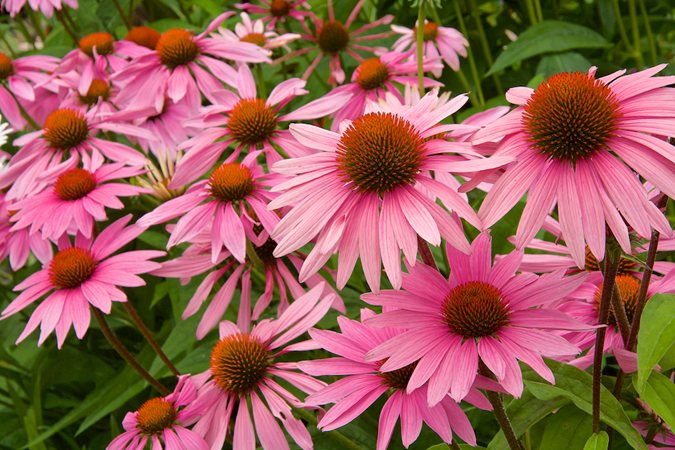
Coneflowers illustrate medium texture — bold enough to hold attention without overpowering a planting. Photo by: Janet Loughrey.
Features with medium, average or intermediate texture help strike a balance between the extremes of coarse and fine. These provide a natural transition, and should comprise the majority of elements in the landscape. Features with medium texture act as unifiers to establish harmony and create a sense of balance and order. Plants with medium texture include daylily, roses, coneflower, coral bells, and many shrubs.
HOW TO USE TEXTURE IN THE LANDSCAPE
A well-designed garden creates a multi-sensory experience, engaging all five human senses of sight, sound, smell, taste and touch. Combining different textures together lends balance, contrast, depth, and visual interest in the landscape. When planning garden beds and outdoor spaces, evaluate the different texture of plants and hardscape materials, and how they look together.
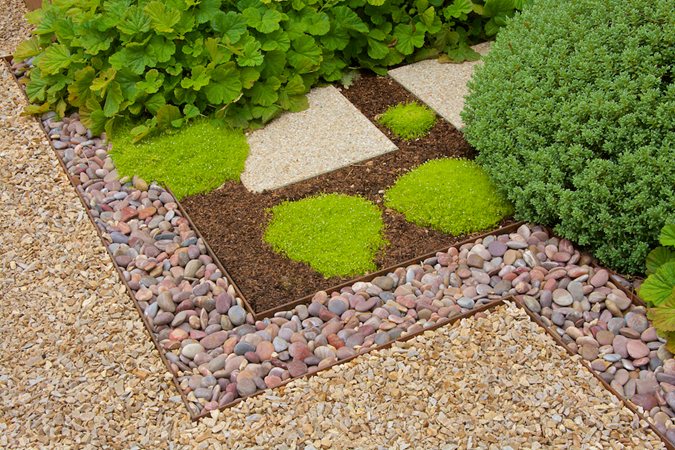
Smooth river rock, rough compacted granite and square pavers offer different hardscape textures, while finely textured moss and hebe contrast with bolder textured geranium leaves. Designer: Adriana Berry, Plant Passion Design. Photo by: Janet Loughrey.
Consider Balance:
Too much of any one texture can leave a composition imbalanced. Too many coarse textures may be visually overwhelming. Having too many finely textured features can make a scene feel chaotic and lacking in focus.
Learn more: 5 Planting Design Techniques for Better Compositions
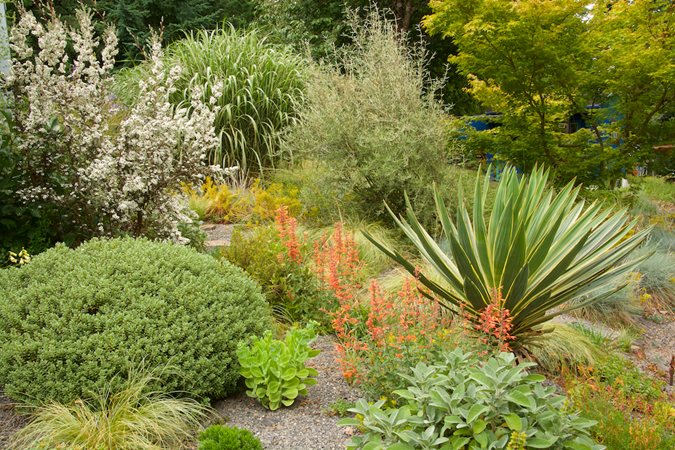
A boldly textured yucca plant serves as a focal point, balanced by surrounding plants with medium to fine texture in this waterwise summer border. Gardeners: Tamara Paulat and David Pinson. Photo by: Janet Loughrey.
Include a Diversity of Plants:
When gardening with texture, include a mix of trees, shrubs, perennials, annuals, vines and ground covers. Layer plants in different sizes, shapes, colors and textures to create depth and compelling visual interest. Even a planting scheme consisting primarily of green foliage can be visually dynamic when different textures are combined together.
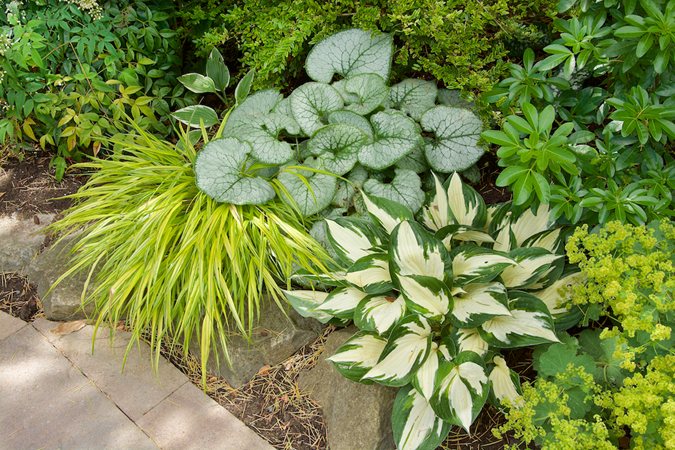
This shady plant combination of Japanese forest grass, Siberian bugloss, hostas and lady's mantle includes a mix of bold and fine textures for a pleasing balance. Designer: Helena Wagner, 4 Season Gardens. Photo by: Janet Loughrey.
Vary Hardscape Materials:
Use a variety of landscape materials with different textures such as stone, wood, concrete, glass and metal. Pair contrasting textures together, and repeat the same materials throughout the landscape for repetition and unity.
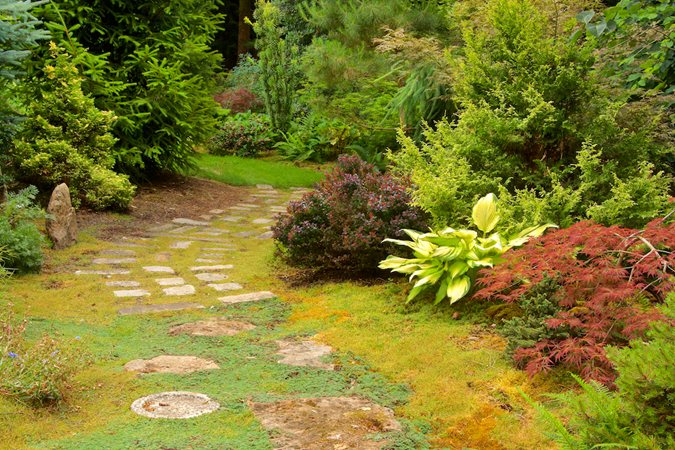
Rough stones and fine moss offer textural contrast along this serene pathway, with border plantings providing a layered tapestry of different foliage textures. Gardeners: Roger and Judy McElhaney. Photo by: Janet Loughrey.
Use Contrast:
Include soft and coarse textures together to create contrast, depth and visual interest. Mix plants with bold foliage and fine leaves, or pair a rough wooden trellis with a smooth metal container. Finer textures can be used to draw attention to bolder features. Water introduces the elements of movement, sound and reflection, with a smooth or rippled surface to contrast with the rough stone facade of a fountain or bird bath.
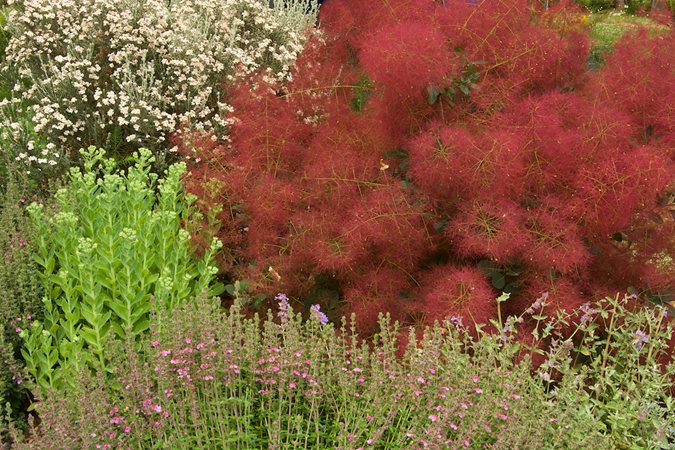
Finely textured smoke tree plumes contrast with bold sedum foliage. Other plants provide fine to medium textures for balance in this pleasing border vignette. Gardeners: Tamara Paulat and David Pinson. Photo by: Janet Loughrey.
Factor in Scale:
Choose textural elements that are in scale with your yard. Bold textures may overwhelm a smaller space, while fine textures may get lost in a larger garden area.
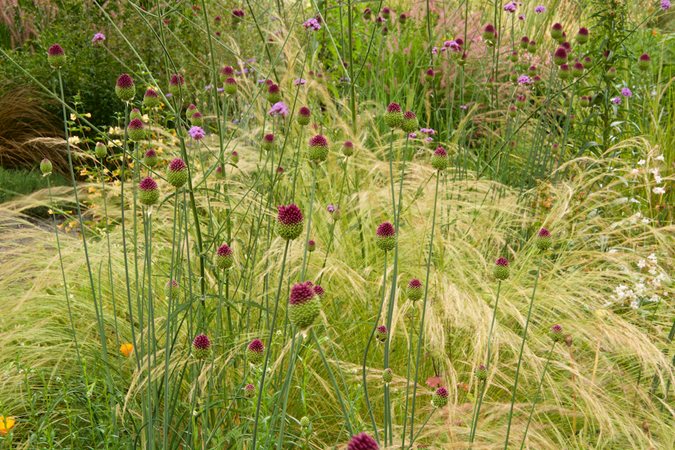
The airy texture of Mexican feather grass complements boldly textured drumstick alliums in this simple yet effective mass planting. Gardeners: Tamara Paulat and David Pinson. Photo by: Janet Loughrey.
Consider Style:
Choose a garden style that complements your home's exterior. Bold textures may be more suited to a tropical or modern garden, while finer textures would complement an informal cottage or naturalistic landscape.
Include Multi-Seasonal Interest:
Plants with multi-seasonal interest have textures that can vary at different times of year. Include a variety of plants with attractive leaves, flowers, berries, seed pods and bark for textural appeal. During fall and winter, textures in the landscape become more prominent when deciduous plants become dormant. Include broadleaf evergreens and conifers with year-round foliage and plants with winter attributes such as hellebore, witch hazel, winterberry, red twig dogwood, and winter heath.
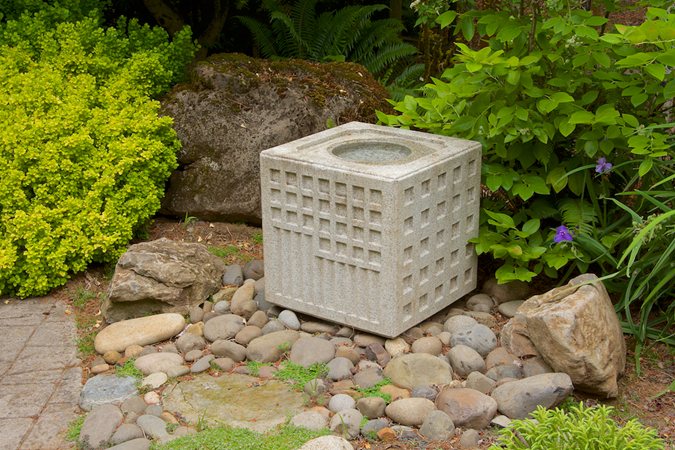
Different textures, shapes and colors in hardscape, plants and statuary create a pleasing balance in this tranquil shady retreat. Gardeners: Roger and Judy McElhaney. Photo by: Janet Loughrey.
Expert tips:
- Rebecca Sweet shares tips on adding texture to the spring landscape
- See how Karen Chapman uses texture in the fall garden
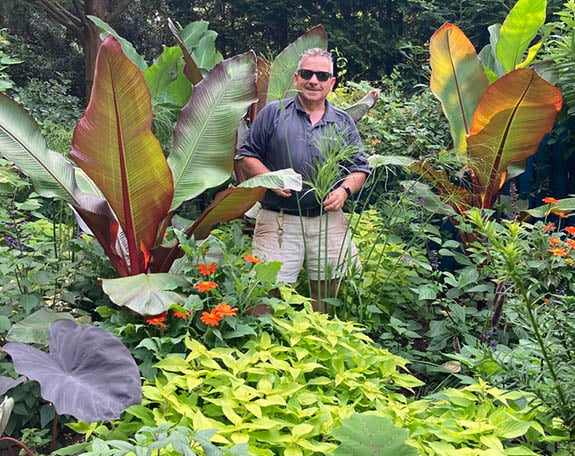
Thursday, October 8th @ 6 PM ET / 3 PM PT
A Walk Through Chanticleer: Inspiration, Creativity & the Art of Seeing a Garden with Dan Benarcik
Frequently Asked Questions
What is texture in landscaping?
Texture in landscaping refers to the roughness or smoothness of garden elements including hardscape and plants. The type of texture affects the appearance and how these objects reflect and absorb light. For example, the trunk of a pine tree has deep fissures and a rough texture, while a camellia bush has smooth leaves. Understanding texture helps inform choices on how to combine different landscape elements for greater harmony and visual impact.
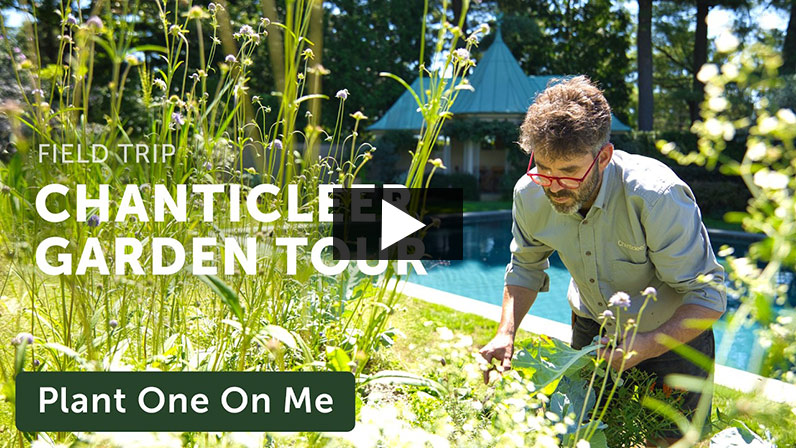
Take a tour of Chanticleer Garden to see texture and other design principles in action.
How to add texture to a landscape?
There are many ways to effectively incorporate texture into the landscape. Combine plants with broad leaves such as hostas with varieties that have fine leaves such as Japanese forest grass for textural contrast. Use stones with smooth and rough textures for a pathway or patio for compelling visual interest. Include a water feature that reflects the sky and other surroundings for an ever-changing textural display.
Expert tip: See how Fergus Garrett uses texture to create contrast in the Long Border at Great Dixter
What is an example of plant texture?
Plants exhibit a wide range of textures in their leaves, flowers, berries, seed heads, stems, branches and trunks. Varieties with smaller leaves such as lavender, sweet alyssum and thyme have a fine texture, while large leafed plants including elephant ears and canna lily have bold texture. Trees such as silver birch, hornbeam, and eucalyptus have smooth bark, while cedar, sugar maple and oak trees have rough bark. The texture of tree bark may change as plants age.
Expert tip: Landscape designer Deborah Silver shares examples of using plant texture in the garden
ABOUT THE AUTHOR
Janet Loughrey is a veteran garden writer and photographer with over 25 years of experience, contributing to major publications like Garden Design, Better Homes and Gardens, and Sunset. A former Master Gardener, she brings hands-on expertise from gardening in a wide range of climates, from upstate New York to the Pacific Northwest.