11 SECRET GARDEN IDEAS FOR CREATING AN ENCHANTING RETREAT
Create a secluded outdoor escape filled with mystery, romance and lush beautyA secret garden conjures up images of a lush, hidden oasis where you can escape from the real world. These intimate spaces evoke a sense of intrigue and romance, with features that create an element of surprise and discovery. With key components of privacy and seclusion, these personal retreats offer refuge and peace, a place to connect with nature and decompress from the stresses of daily life.
1. Enclose Your Space with Walls
Use walls, fencing or tall shrubs to isolate your garden space and create a sense of enclosure and privacy.
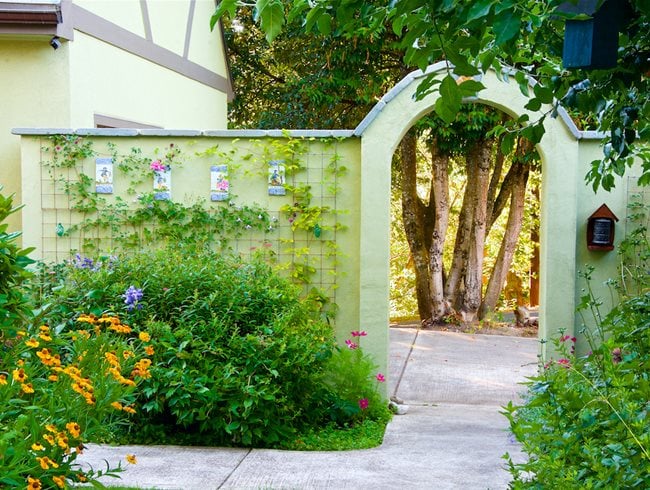
This intimate walled garden has an arched portal that frames the view beyond, creating a sense of mystery and intrigue. Rosemary Grabowiecki garden. Photo by: Janet Loughrey.
2. Layer Plants for a Lush Look
Create a garden bed with a mix of trees, shrubs and perennials in different sizes and heights to add layers for a lush, enclosing look.
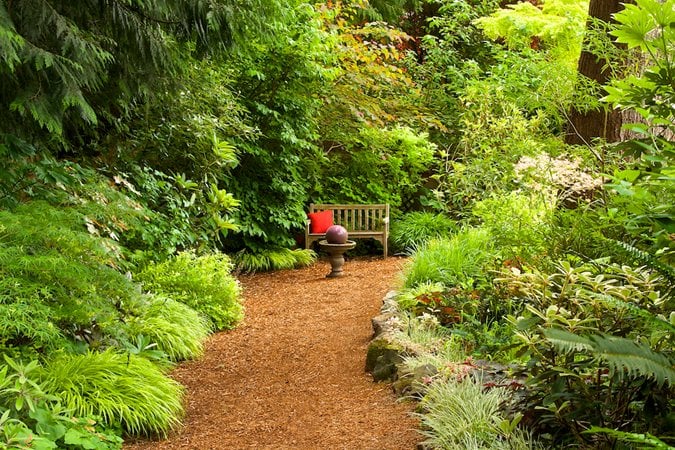
A lush, layered tapestry of trees and understory plants encloses this seating area for privacy and serenity. Gail Barnard garden. Photo by: Janet Loughrey.
3. Add Personal Symbolic Meaning
Incorporate elements that hold personal spiritual or symbolic meaning such as statues, sacred figures or meaningful objects that represent transformation, healing and personal reflection.
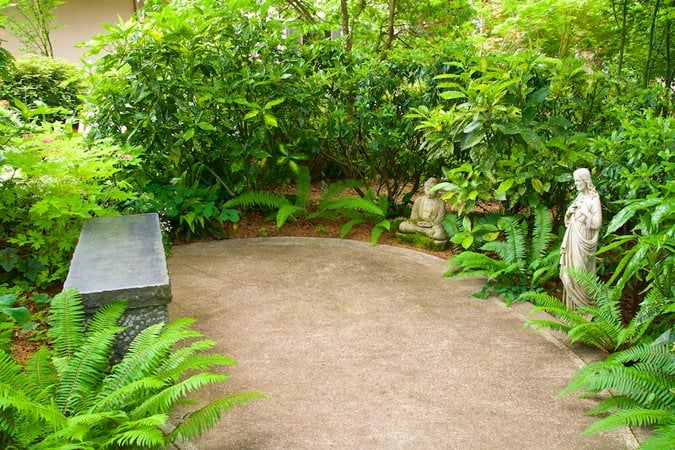
A small private garden offers a place for quiet meditation. Photo by: Janet Loughrey.
WHAT IS A SECRET GARDEN?
Secret gardens date back thousands of years and are found in many cultures, holding deep spiritual and symbolic meaning, representing rejuvenation, healing, and growth. These enchanted and whimsical spaces are referred to in writings and literature, popularized in the classic novel The Secret Garden by Frances Hodgson Burnett.
A secret garden is an isolated outdoor space hidden away from the rest of the yard, enclosed by walls, hedging or other barriers that create intimacy, privacy and separation from the outside world. This secluded space is designed to evoke a sense of mystery, magic and romantic charm, stimulating the imagination and creativity while instilling peace and calm.
4. Create Destinations Along the Way
Include destinations along the way such as a bench, water feature or decorative focal point to give pause and create a sense of journey.
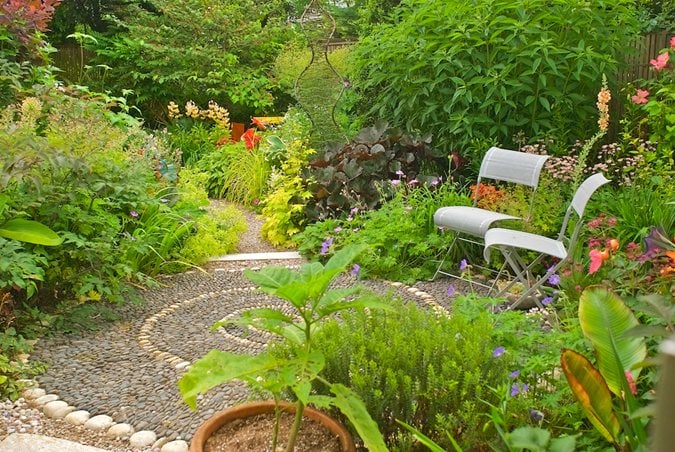
This urban backyard is divided into smaller spaces with a connecting pathway that offers partially obscured views for mystery and intrigue. Lush plantings in a variety of shapes, colors and texture provide visual interest. Joanne Fuller garden. Photo by: Janet Loughrey.
5. Invite Guests to Linger
Include comfortable seating for reading, reflection or tea with friends. Choose furniture that suits the scale of your space and creates an inviting gathering area.
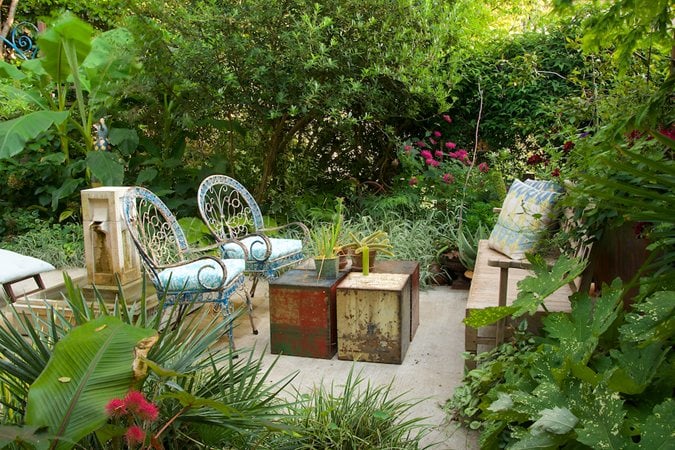
A secret urban oasis is surrounded by lush plantings for privacy, with a rustic seating area and vintage fountain for romantic charm. Kurt Beadell garden. Photo by: Janet Loughrey.
6. Add Height with Arbors
Use wooden arbors or trellises to add height and structure, and cover them with vining plants such as clematis, honeysuckle or climbing roses.
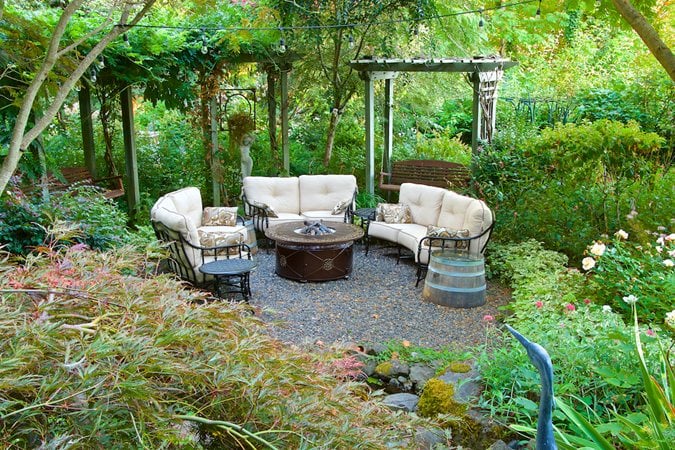
Lush plantings enclose a comfortable outdoor lounging area. Wooden arbors add height and structure, while a fire pit provides warmth on cooler days. Leslie Ebert garden. Photo by: Janet Loughrey.
7. Tuck It into a Corner
Look for an underutilized corner or side yard away from more trafficked areas of your property as the perfect spot for a secret garden retreat.
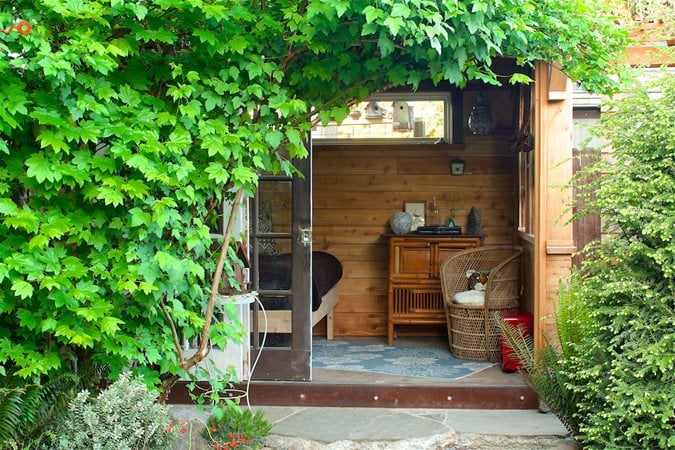
A cozy sleeping room tucked into a corner of this yard is partially obscured by lush vines for privacy and a sense of mystery. Designer: Marina Wynton, Olivine Land. Photo by: Janet Loughrey.
Thursday, October 8th @ 6 PM ET / 3 PM PT
A Walk Through Chanticleer: Inspiration, Creativity & the Art of Seeing a Garden with Dan Benarcik
8. Let Water Set the Mood
Include a fountain, birdbath, waterfall or pond as a water feature to create a soothing sound with a therapeutic effect.
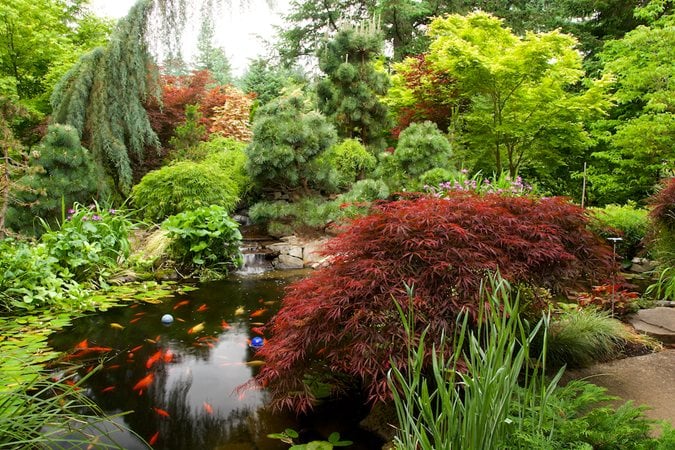
Layered plantings in different colors, sizes and textures enclose this secret garden. A serene waterfall and pond are the prominent feature, with a colorful Japanese maple that serves as a focal point. Photo by: Janet Loughrey.
9. Lean into Fairy Tale Charm
Draw inspiration from fairy tales, romance and magic by adding whimsical touches like a colorful garden structure, mosaic pathway or decorative containers to create a sense of enchantment and personality.
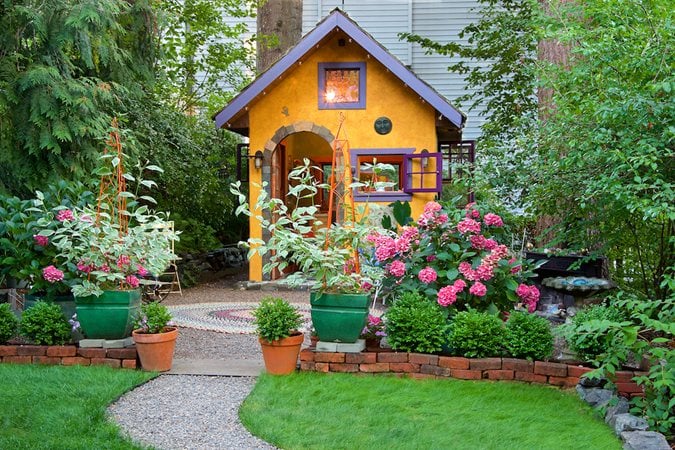
A fairy tale inspired artist studio located in a quiet corner of an urban yard inspires serenity and creativity. Rosemary Grabowiecki garden. Photo by: Janet Loughrey.
10. Frame Your Entrance Invitingly
Create an intriguing entrance using an arbor, gate or door to separate your secret garden from the rest of the yard. Keep it smaller and partially hidden to retain a sense of mystery and invite exploration.
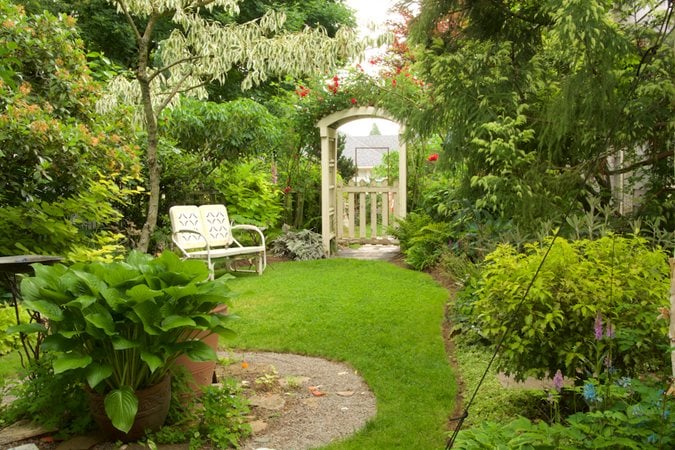
This underutilized side yard was converted into a secret garden space with lush plantings. A rustic gate that serves as a barrier allows partially hidden views to create a sense of mystery and intrigue. Mary DeNoyer garden. Photo by: Janet Loughrey.
11. Skip the Fence, Plant Instead
In a small urban garden where a fence might feel oppressive, use densely layered plantings instead to create a natural sense of enclosure and privacy.
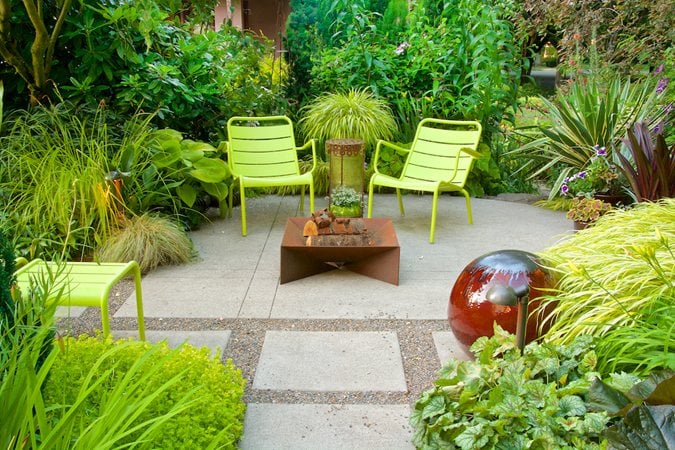
An urban side yard is hidden from the nearby street, creating an element of surprise. Seating and a fire pit offer a cozy place to relax. Linda Ernst garden. Designer: Laura Crockett. Photo by: Janet Loughrey.
More Secret Garden Design Tips
Secret gardens use informal naturalistic plantings to instill romance and timeless appeal. Plants with fragrance such as roses, jasmine and mock orange add romantic charm. Choose plants that will adapt to existing light and soil conditions, and include natives to support wildlife.
Making your secret garden low maintenance will allow you more time to enjoy your personal sanctuary. Include easy-care trees and shrubs that require little pruning and are tolerant of different growing conditions.
For a smaller space, utilize vertical elements such as hanging planters, shelves and mirrors to maximize the use of the space and create the illusion of a bigger garden room.
Evaluate how light falls at different times of year, and the type of soil you have before choosing a location. Take inventory of plants that are already there — what can stay and what should be replaced.
Frequently Asked Questions
Can you create a secret garden in a small yard?
A secret garden can be created in almost any size yard. For a smaller space, keep plants, furniture, structures and other features in scale with the size of the yard. Utilize vertical elements such as hanging planters, shelves, trellises, arbors and fencing to maximize the use of the space. Add mirrors to create the illusion of a bigger garden room.
Where should a secret garden be placed in the landscape?
Privacy and seclusion are key components of secret garden design. Choose an area furthest from your home, or a small side area that is away from the rest of the yard.
How do you separate a secret garden from the rest of the yard?
Create a tall barrier with a fence, wall or hedging to add height. Add a hidden entrance using an arbor, door or gate.
What design elements help create a sense of mystery?
Secret garden design uses barriers, hidden nooks and curving pathways to partially obscure views, creating a sense of mystery and an element of surprise. These elements encourage curiosity and exploration to see what’s around the corner.
ABOUT THE AUTHOR
Janet Loughrey is a veteran garden writer and photographer with over 25 years of experience, contributing to major publications like Garden Design, Better Homes and Gardens, and Sunset. A former Master Gardener, she brings hands-on expertise from gardening in a wide range of climates, from upstate New York to the Pacific Northwest.